
Keyword research in 2025 is no longer about finding high-volume keywords – it is about identifying hyper-specific long-tail search phrases that match real user intent and that are structurally optimized for Google’s AI-ranked results.
The concrete truth is this: blogs that focus on long-tail, conversational, problem-solving keywords outrank large websites, even without expensive tools, because Google’s search algorithms now prioritize intent precision, topical clarity, and content reliability over raw authority alone.
You do not need paid tools like Ahrefs or Semrush to compete. You can build full content strategies using free tools – Google Search Console, Google Trends, People Also Ask, autocomplete data, Bing Insights, AnswerThePublic alternatives, and AI-powered clustering.
Core Principles of Keyword Research in 2025
The most important shifts in keyword strategy this year include:
Long-Tail Queries Dominate
Searchers use highly specific phrases, often 4–8 words, especially on mobile. These outperform broad terms in ranking speed.
Intent > Volume
A keyword with 90 monthly searches but perfect intent alignment can outperform a broad keyword with 15k searches.
Search Clusters Matter
Google evaluates how well your site covers related topics, not just individual keywords.
Real Queries from Autocomplete Are More Valuable than Artificial Competition Scores
Autocomplete reflects what real humans search today – not outdated index estimates.
Zero-Click Searches Mean Blogs Must Answer Deeper Questions
Short answers are given by AI; blogs must deliver context, nuance, data, tables, comparisons, and long explanations.
Best Free Tools for Keyword Research in 2025
Free tools now outperform many paid databases because they show real-time user behavior instead of estimated metrics.
Below is a breakdown of the most effective free tools and how each contributes to meaningful keyword discovery.
Free Keyword Research Tools (2025)
| Tool | What’s Best For | Why It Matters |
| Google Search Console | Real keywords you already rank for | Reveals hidden long-tails you can expand |
| Google Trends | Time-based popularity + region | Helps choose winning angles and seasonal topics |
| Google Autocomplete | Real-time queries | Shows real long-tail keyword variations |
| People Also Ask | Intent clusters | Helps build topical depth that Google trusts |
| Related Searches | Semantic variations | Helps expand content clusters |
| Bing Insights | Low-competition queries | Reveals keywords Google hides |
| AnswerThePublic-style tools | Question-based research | Gives blog-post-ready long-tail topics |
| YouTube Search Autocomplete | Informational queries | Great for blog + video synergy |
| Reddit & Quora threads | Emerging questions | Uncovers topics not yet competitive |
How to Use Google Search Console for Long-Tail Keyword Discovery
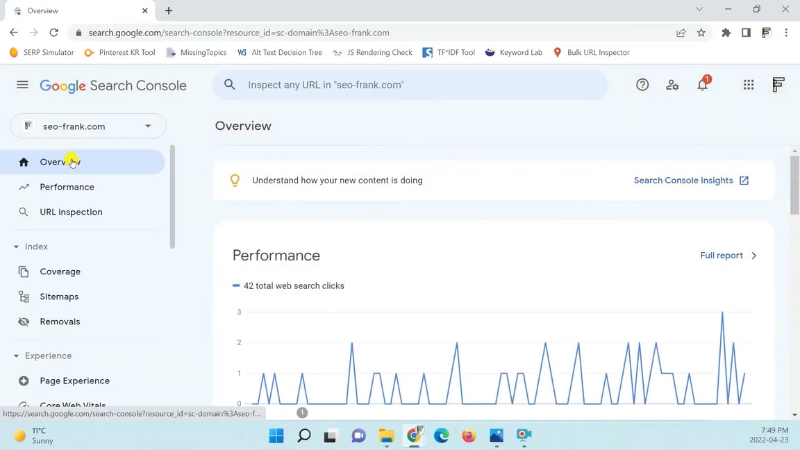
Search Console is the strongest free keyword research tool because it shows what Google already trusts you for. Every blog has dozens – or hundreds – of long-tail keywords ranking in positions 20–60 without the creator knowing.
These “hidden” keywords are ranking because your content is relevant, but not yet optimized. When you expand or improve those pages, they rise extremely fast.
Look for:
- Queries with impressions but low clicks
- Variations of the questions people ask
- Longer phrases are already ranking, but not targeted
- Early impressions for new content
Expanding content on these topics leads to faster and more stable ranking than chasing new keywords blindly.
How to Find Keywords in Search Console
| Column | What to Look For | What to Do Next |
| Impressions | deep impressions, low clicks | Improve titles + add section targeting that query |
| Position | Ranking 10–30 | Add a dedicated paragraph or table |
| Queries | Contain “how,” “why,” “best,” “vs.” | Expand into long-form subheadings |
| Page | Which URL receives impressions | Strengthen internal links to it |
Using Google Autocomplete to Build Real Keyword Clusters
View this post on Instagram
Autocomplete is powerful because it reveals the real language of searchers. To extract long-tail keywords:
- Start typing your main keyword slowly
- Use every alphabet letter (a–z)
- Use modifiers: for, with, vs, near me, and how to
- Observe multi-layer suggestions
These suggestions are prioritized because millions of people search them in similar patterns every day. They reflect intent far better than search-volume tools.
People Also Ask (PAA): The Most Underused SEO Asset in 2025
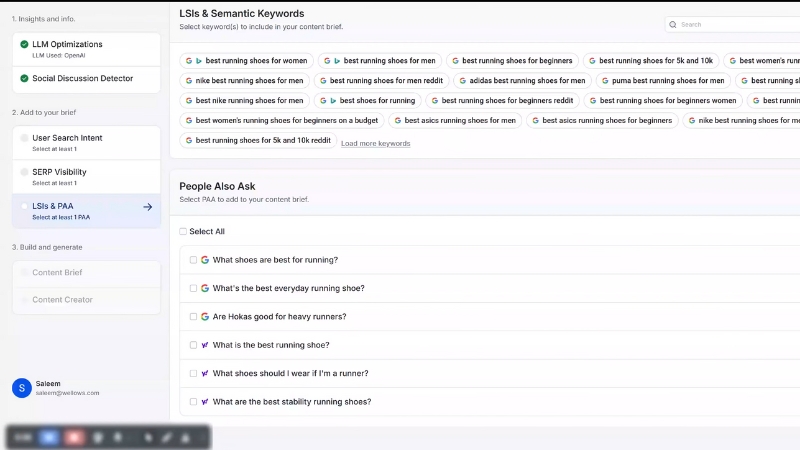
The PAA box generates clusters automatically. Every time you click a PAA question, Google expands the cluster further. This is your blueprint for “intent coverage.”
Blogs that answer 8–12 PAA-style questions inside clear headers rank dramatically better than posts that contain only generic content. PAA questions reveal:
- common misconceptions
- related subtopics
- Additional angles your article must cover
- question wording that users prefer
Matching your H2/H3s to PAA-style wording increases ranking probability by signaling semantic alignment.
Example of Turning PAA Into Content Structure
| PAA Question | Blog Section Title | Purpose |
| “What is the first step in keyword research?” | H2: The First Step in Keyword Research | Matches user language |
| “How do beginners find keywords?” | H3: Simple Keyword Methods for Beginners | Targets novice intent |
| “What is a long-tail keyword example?” | H3: Examples of Real Long-Tail Keywords | Fulfills informational need |
| “How do I rank long-tail terms?” | H2: Strategies to Rank Long-Tail Keywords | Satisfies ranking intent |
Long-Tail Keywords: Why They Rank Faster in 2025
@collinseo How To Find Long Tail SEO Keywords (But Each Strategy Gets More Advanced) Part 2. #SEO #DigitalMarketing #SearchEngineOptimization #SEOTips #SEOTip ♬ original sound – Alex COLLINSEO | SEO Marketing
Long-tail keywords dominate because they act as direct signals of intent. They also bypass competition from major websites, which tend to target broader terms. Long-tail traffic is smaller but converts significantly higher.
For example:
- “best travel credit card” → extremely competitive
- “best travel credit card for students with no credit 2025” → fast to rank, highly specific
Searchers have evolved. They type questions like they’re talking to a real person. Blogs that match this conversational style win.
| Feature | Why It Matters |
| 5–10 words | Clearly defined intent |
| Time-specific (“2025”, “updated”) | Reflects fresh search needs |
| Modifiers (“for beginners,” “in winter”) | Targets niche audiences |
| Geography (“in Wisconsin,” “near Chicago”) | Ultra-low competition |
| Problem-solving phrasing | High engagement rate |
Free Workflow: How to Build a 2025 Keyword Strategy Without Paid Tools

Here is a complete, structured workflow using only free resources.
Step 1: Start With Autocomplete
Find 20–30 seed long-tails your audience actually types.
Step 2: Expand Using People Also Ask
Click multiple PAA questions to build a full content cluster.
Step 3: Validate Interest With Google Trends
Look for upward or stable patterns.
Step 4: Check Competition by Manual SERP Review
Filter results:
- Are they weak?
- Are they short?
- Are they outdated?
- Are they generic corporate pages?
If yes, you can outrank them.
Step 5: Check Search Console for Low-Hanging Keywords
Find what Google already trusts you for.
Step 6: Write an article that covers the cluster
Use:
- strong H2/H3 structure
- long explanatory paragraphs
- tables
- internal links
This creates semantic completeness.
Example: A Real Keyword Cluster Built With Only Free Tools

Below is an example cluster for a blog niche.
Main Topic
“budget-friendly meal prep for beginners”
Cluster (from autocomplete + PAA)
- budget meal prep ideas for one person
- cheap healthy meal prep for college students
- meal prep on a tight budget 2025
- best $30/week meal prep plan
- meal prep without a microwave
- How to meal prep with no cooking experience
- cheapest proteins for meal prep
- How to store meal prep safely for 5 days
Each long-tail variation becomes:
- a section in an article
- a supporting article
- or an internal link cluster
This structure outranks generic “meal prep ideas” content effortlessly.
Why This Strategy Works Even in Competitive Niches
Because Google’s modern ranking system rewards:
- high intent match
- depth of topic coverage
- clear structure
- mobile readability
- semantic completeness
- fast load speeds
- natural internal linking
…a small blog can outperform high-authority websites simply by being more relevant.
Long-tail keywords are the single most effective path to relevance.
Conclusion
Ranking in 2025 does not require expensive software. It requires listening to real searchers, studying Google’s own suggestion systems, and building clusters around long-tail queries that solve specific problems.
Free tools give you every signal you need: what people actually search, how they phrase questions, what Google associates with those questions, and which topics still have weak competition.
When you combine autocomplete, PAA-based structure, Search Console insights, and long-form content designed around user intent, your blog gains the clarity and depth Google now rewards.