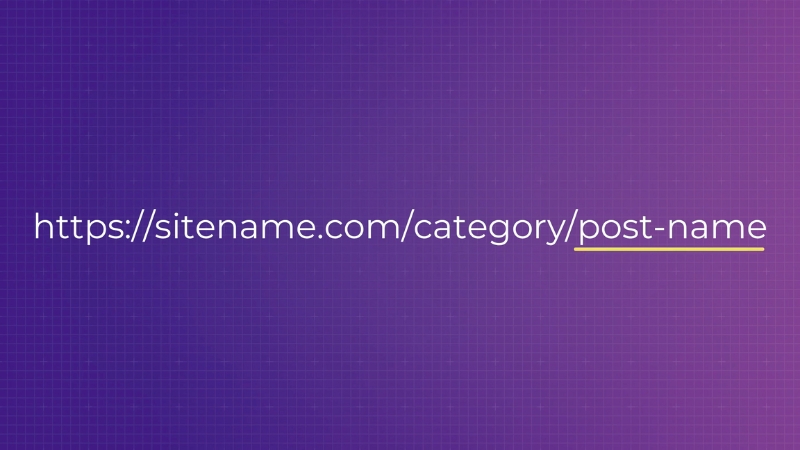
The perfect permalink structure for a blog in 2025 is short, permanent, readable, and built around the main keyword of the page.
The structures that perform best today are either domain.com/main-keyword/ or domain.com/category/main-keyword/ with no dates, no numbers, and no unnecessary folders.
This structure supports clean site architecture, faster crawling, stronger topical authority, and noticeably higher click-through rate from search results.
What a Permalink Actually Represents in Modern SEO
A permalink is not just a readable address. It is a permanent content identifier that Google uses to measure authority, track engagement, connect topical clusters, and evaluate internal link flow.
Every backlink, share, bookmark, and internal reference points to this single URL.
If your permalink structure is unstable, bloated, or inconsistent, Google sees your site as fragmented. If your URLs are clean and logically structured, your blog looks organized, intentional, and authoritative.
Search engines now analyze URLs at multiple levels:
- topical relevance of the words in the URL
- folder depth and site architecture
- consistency across categories
- duplication patterns
- historical stability
That means the permalink structure affects:
- crawling efficiency
- index quality
- topical authority
- and click-through behavior
Why Clean URLs Increase Click-Through Rate Directly
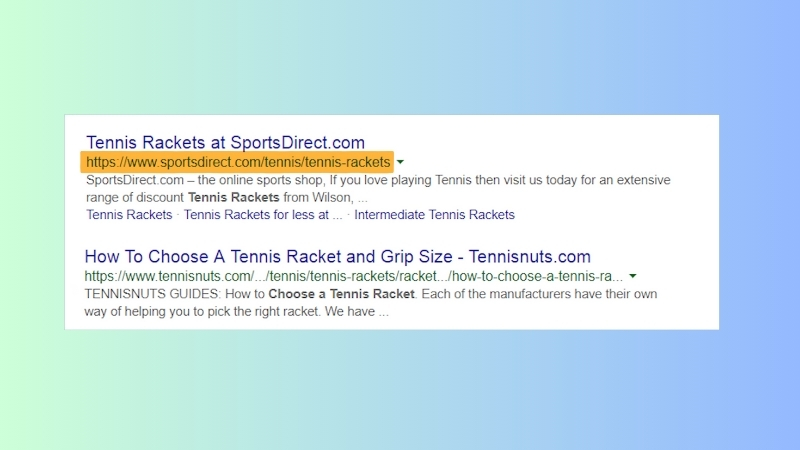
A search result is judged in less than one second. The title catches attention. The meta description adds context. But the URL is what confirms legitimacy.
Compare how users subconsciously react to these:
- domain.com/best-running-shoes/
- domain.com/p=8743
- domain.com/2022/03/14/running-shoes-ranked-final-version-7
The first signals clarity and confidence. The others signal clutter, age, and low trust.
In 2025, CTR optimization depends heavily on:
- readable slugs
- clean folder paths
- absence of clutter
- visible topical focus
Google also uses CTR behavior as a secondary ranking feedback loop. That means better URLs improve rankings indirectly through behavior signals.
Best-Performing Permalink Structures in 2025
| Structure Type | Example | SEO Impact |
| Flat URL | domain.com/seo-audit-checklist/ | Best for most blogs |
| One category | domain.com/seo/seo-audit-checklist/ | Strong topical clustering |
| With date | domain.com/2022/05/seo-checklist/ | Weak CTR, freshness bias |
| Deep folders | domain.com/blog/seo/technical/onpage/guide/ | Crawl inefficiency |
| Parameters | domain.com/?p=874 | Poor trust and indexing |
Best practice: use flat URLs for small to medium blogs, and single-category URLs only when your site has strong, permanent topic silos.
Why Dates in URLs Hurt Rankings Over Time
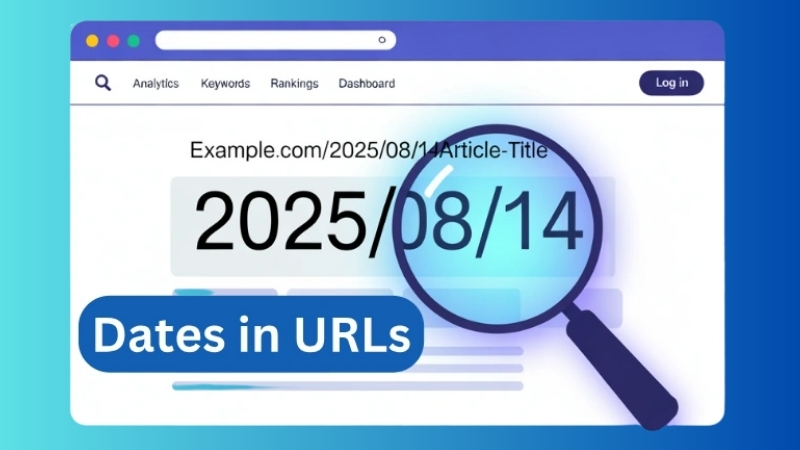
Dates create false expiration. Even if your content is updated, a visible year makes users assume the information is outdated. This lowers CTR and can reduce long-term ranking stability.
Google now determines freshness using:
- last modified date
- engagement behavior
- recrawl patterns
- content relevance
Dates in URLs are no longer needed and only limit evergreen performance.
How to Write the Perfect URL Slug
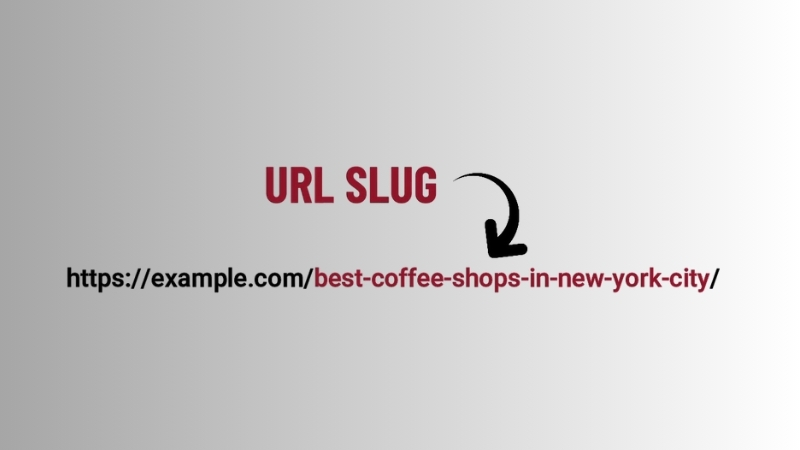
A slug should describe the page clearly using only the most meaningful words. Over-optimization looks spammy and reduces trust.
- 2–6 words
- natural language
- matches search intent
- no unnecessary fillers
- repeated keywords
- excessive modifiers
- numbers without meaning
- vague abbreviations
Slug Quality Examples
| Strong Slug | Weak Slug |
| /on-page-seo-checklist/ | /best-on-page-seo-checklist-guide-2023-final |
| /email-marketing-for-beginners/ | /email-marketing-beginners-ultimate-guide |
| /how-long-does-seo-take/ | /seo-timeline-analysis-complete |
How Permalinks Shape Your Internal Linking Power
View this post on Instagram
Your internal links form the skeleton of your site. Clean permalinks make that skeleton visible to Google. When URLs are predictable and structured logically, Google immediately understands how pages relate to each other.
This strengthens topical clustering and improves how authority flows through your site.
Messy URLs interrupt this process. They obscure relationships, slow down crawling, and weaken category-level relevance. Over time, this affects how entire sections of your site rank, not just individual posts.
Changing Existing URLs Without Killing SEO
If you ever change permalinks, these rules are non-negotiable:
- Every old URL must 301 redirect to the new one
- Redirects must be single-step
- Internal links must be updated
- Changes should be rolled out in phases
Safe vs Risky URL Changes
| Action | Result |
| 301 redirect old → new | Rankings preserved |
| Removing URL without redirect | Traffic loss |
| Redirect chains | Authority loss |
| Changing hundreds at once | Index instability |
Permalinks and Mobile Search Behavior
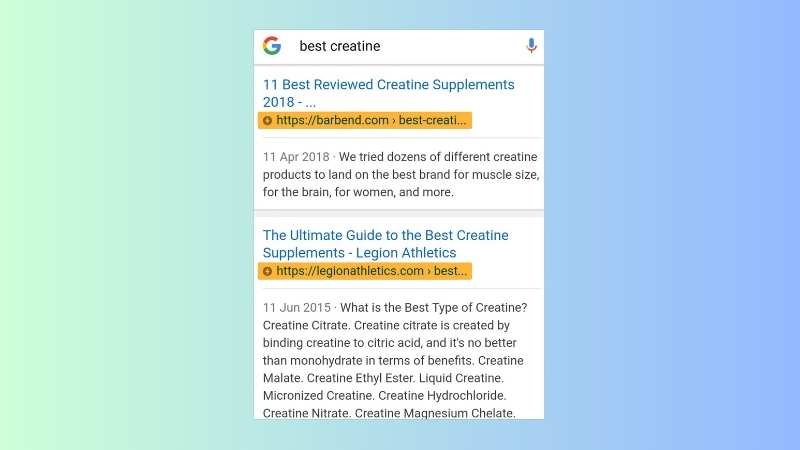
On mobile, URLs are often truncated. That makes the first words of your slug critical. If your slug starts with dates, folders, or filler words, the meaningful part may never be seen.
Mobile-optimized slugs:
- front-load the main topic
- stay under 60 characters
- avoid connectors and filler words
This improves trust and tapping confidence on small screens.
Permalinks and Topical Authority in 2025
Google now ranks topics more than isolated pages. Your URL structure should clearly reflect those topic groups.
Example of a strong authority cluster:
- domain.com/seo/
- domain.com/seo/on-page-seo/
- domain.com/seo/technical-seo/
- domain.com/seo/internal-linking/
This pattern reinforces semantic relevance and strengthens the entire section, not just individual posts.
Conclusion

A correct permalink structure is one of the few SEO elements that compound over time.
Short, stable, keyword-focused URLs improve crawl efficiency, strengthen internal linking, reinforce topical authority, and directly increase click-through rate from search results.
In 2025, the blogs that dominate search are not using complex URL systems. They use simple, readable, permanent structures that both users and Google understand instantly.