
In 2025, launching a blog is easy. Getting it approved for ad monetization is not. Most blogs that fail to monetize do not fail because of traffic.
They fail because they never pass a proper ad network review in the first place. Ad approval is now a quality filter, not a formality.
Networks are aggressively protecting advertisers from low-quality placements, plagiarized content, misleading claims, unsafe niches, and unstable websites.
Content Quality Is Judged by Depth and Intent, Not Length
In 2025, content is no longer trusted simply because it is long. Review teams now look for explanatory depth, conceptual continuity across articles, original reasoning, and consistent topical focus.
A blog with fifteen strong, intentional articles will now outperform a blog with sixty shallow ones during review.
Reviewers look for signs of real authorship. That includes logical argument flow, specific examples, contextual explanations, consistent tone, and clear editorial direction.
When content looks mass-produced or mechanically generated at scale, approval probability collapses, even if grammar looks correct.
Realistic Editorial Thresholds for Approval
| Metric | Practical Standard |
| Total core articles | 15–30 |
| Depth per article | 1,000–2,000 words |
| Publishing activity | Recent updates within 60 days |
| Topical scope | One consistent niche |
A site that feels abandoned, scattered, or duplicated rarely passes the trust stage.
Site Structure Is a Silent Trust Signal
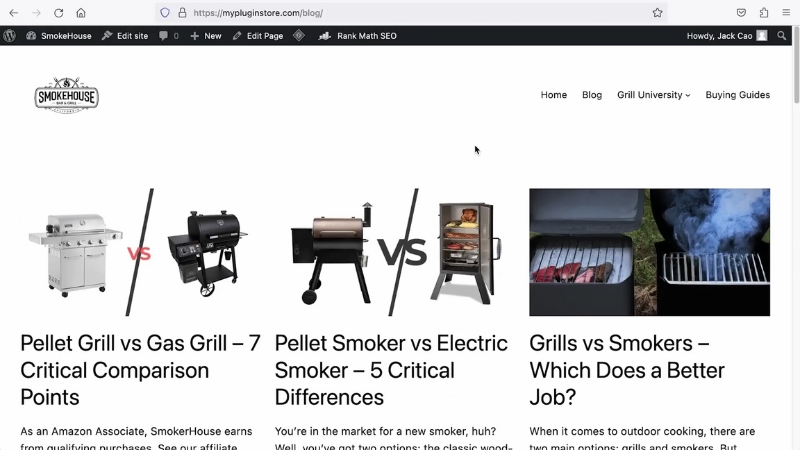
Ad reviewers navigate your site exactly like a new visitor. If navigation is confusing, category logic feels random, or internal paths loop without purpose, credibility quietly drops.
Structural clarity matters because advertisers do not want their placements inside unstable environments.
Your homepage must show what the site is about instantly. Menus must guide instead of overwhelm. Category paths must make sense. Internal linking must feel deliberate.
When the structure is clean, the site looks managed. When the structure is chaotic, the site looks disposable.
Legal Foundation Is Non-Negotiable in 2025
One missing legal page can cause automatic denial regardless of content strength or traffic volume. Every monetizable blog must show legal accountability clearly and permanently.
This includes a visible privacy policy, terms page, cookie disclosure, affiliate disclosure where applicable, and a functioning contact page.
These pages must be real documents, not placeholders. They must match how data is actually handled on the site. When legal visibility is weak, advertisers treat the site as a liability.
Mandatory Legal Infrastructure
| Page | Approval Status |
| Privacy Policy | Required |
| Terms of Service | Required |
| Cookie Policy | Required |
| Affiliate Disclosure | Required if you monetize |
| Contact Page | Required |
Without this foundation, approval rarely happens.
Advertiser Safety Is a Site-Wide Judgment
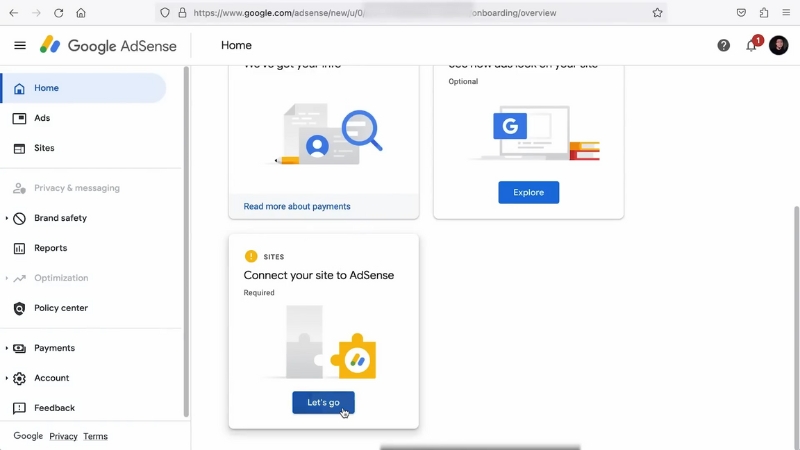
In 2025, ad networks evaluate your entire site as a single risk object. Even a small section of high-risk content can disqualify everything.
Financial promises, medical claims without sourcing, gambling content, speculative crypto recommendations, adult material, illegal instructions, and incendiary political narratives all fall into high-risk classification.
It does not matter if ninety percent of your site is clean. Risk contamination is assessed at the domain level.
Identity Has Become a Critical Approval Signal
Faceless blogs now struggle far more than they did just a few years ago. Reviewers increasingly expect to see real editorial ownership, visible publishing intent, consistent branding, and human contact pathways.
About pages, author names, consistent voice, and transparent communication all quietly reinforce approval probability.
When a site feels anonymous, generic, and interchangeable, it is increasingly treated as algorithmic output rather than a trusted publishing environment.
Technical Health Is Now a Monetization Requirement

In 2025, performance is not just an SEO factor. It is now part of monetization screening. If your site loads slowly, shifts layout unexpectedly, or fails mobile stability tests, ad networks will not place scripts on it.
Minimum Technical Benchmarks for Approval
| Metric | Minimum Standard |
| Mobile load time | Under 3 seconds |
| Core Web Vitals | Mostly “Good” |
| HTTPS security | Mandatory |
| Uptime | 99.5 percent or higher |
| Broken links | None visible |
If your site is unstable before ads load, it will be unstable after ads load. Networks do not absorb that liability.
When Traffic Finally Starts to Matter
View this post on Instagram
Traffic matters after structural trust is established. Some networks approve at a few thousand monthly users, others require tens of thousands, but behavior quality always outweighs raw volume.
Networks analyze bounce rates, session duration, page depth, and geographic advertiser alignment.
Artificial traffic spikes, bot-driven sessions, and sudden social floods without retention often trigger automatic rejection because they signal manipulation, not real audience building.
Why So Many Blogs Are Rejected Without Knowing the Real Cause
Most rejected publishers assume traffic was the issue.
In reality, denial most often comes from a combination of shallow affiliate content, mechanical AI production without editing, empty tag archives, aggressive headline optimization, weak internal structure, and unresolved navigation errors.
None of these alone seems severe. Together, they form a clear rejection profile.
What Your Internal Pre-Submission Audit Must Confirm

Before any ad application, the site should already function as a complete, independent publishing product. It must demonstrate editorial depth, legal accountability, structural clarity, stable performance, and risk-controlled content.
When this foundation is present, approval becomes consistent instead of uncertain.
Approval Is a Continuous Trust Agreement, Not a One-Time Event
Many publishers believe approval is permanent. It is not. Networks perform constant scans for policy shifts, category drift, performance degradation, and content risk changes.
If your site crosses a risk threshold later, monetization can be removed instantly without warning. Long-term revenue depends on continuous compliance, not one successful application.
Conclusion

Monetization approval is no longer granted because a blog exists. It is granted because a blog demonstrates structural reliability, legal accountability, editorial integrity, performance stability, and advertiser safety. Traffic follows later. Trust comes first.
When your site feels like a real publishing business instead of a disposable project, ad approval becomes predictable. When it feels automated, incomplete, or unstable, no amount of traffic will compensate.