8 Best Free Templates 2025 for Blog Websites – Speed, SEO, and Ad Approval

Illustration of a modern website interface with floating content blocks and decorative plants

Choosing a blog template in 2025 directly affects monetization results, search visibility, and long-term growth. Ad networks now apply stricter performance and quality checks, making theme selection a critical decision rather than a cosmetic one. Fast load times, clean code, and proper schema markup play a major role in approval outcomes. Recent industry data shows … Read more

Defer Third Party Scripts Safely While Keeping Ads and Analytics Working

Testing and Monitoring Performance

Modern websites rely heavily on third-party scripts to support advertising, analytics, personalization, and user engagement. Performance problems emerge when those scripts load too early or execute without prioritization. Goal focuses on delaying non-critical third-party scripts while preserving revenue, tracking accuracy, and core functionality. Third-party Scripts represent the most expensive resource category during page load. Industry … Read more

Build a Lightweight Theme Setup for Blog Websites for Fast Loading and Strong SEO in 2025

Illustration of a muscular character representing powerful SEO and website performance

Fast-loading blogs directly improve search visibility, user retention, and conversion performance. Search engines in 2025 rely heavily on Core Web Vitals, placing strong weight on load speed, interactivity, and layout stability. A well-planned lightweight theme setup allows bloggers to meet these technical demands without sacrificing design flexibility or growth potential. The primary objective focuses on … Read more

Why Blogging Websites Fail Core Web Vitals and How to Solve Each Metric

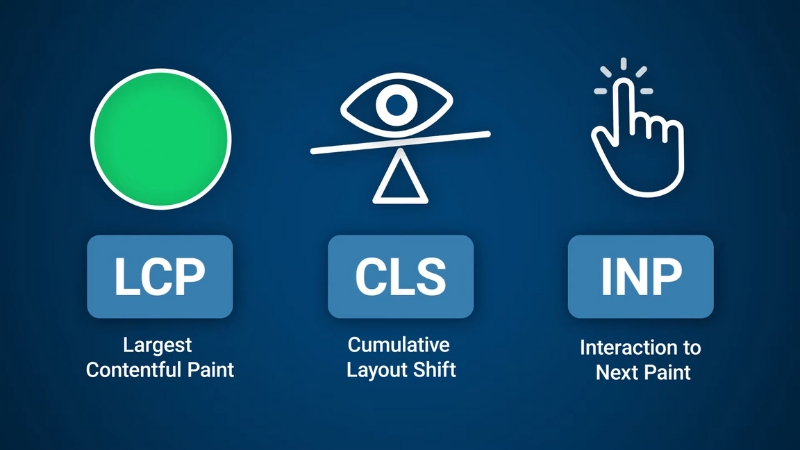
Core Web Vitals metrics LCP, CLS, and INP shown with simple icons

Blogging websites fail Core Web Vitals primarily because they rely on heavy themes, unoptimized images, excessive third-party scripts, and ad or analytics stacks that delay rendering and destabilize layouts. The result is poor Largest Contentful Paint, high Interaction to Next Paint, and unstable Cumulative Layout Shift, even on sites with strong content. These failures are … Read more

Migrate a Blog Website to WordPress Without Losing Rankings

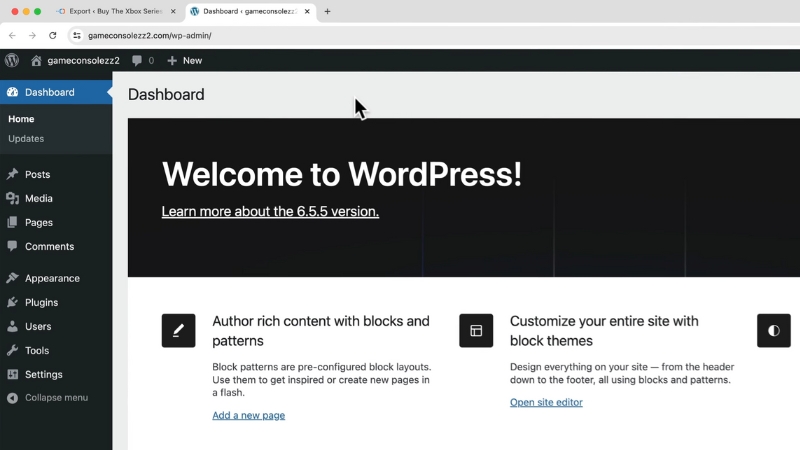
WordPress dashboard view after migrate a blog website to WordPress

Yes, it is possible to migrate a blog website to WordPress without losing search rankings, organic traffic, or indexed pages, but only if the migration is handled as a controlled SEO and technical process rather than a simple platform switch. In real-world migrations, ranking losses almost always come from broken URLs, incorrect redirects, changed content … Read more

Blog Websites vs WordPress Sites in 2025 – What Ranks Better and Why

In 2025, WordPress sites rank better than generic blog websites in the vast majority of competitive search results, not because WordPress is inherently “SEO magic,” but because its technical flexibility, performance control, and ecosystem make it easier to meet Google’s current ranking requirements at scale. Blog websites built on closed or simplified platforms can still … Read more

Best Sidebar and Widget Setup for Blog Websites That Keeps Speed High

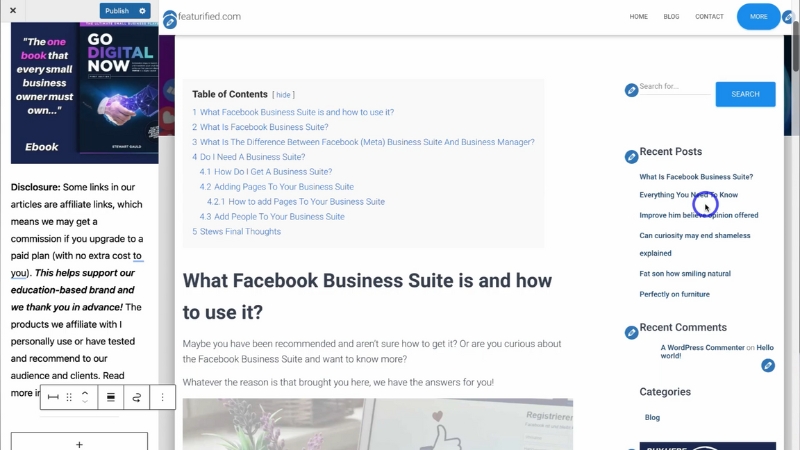
Blog article page show a clean sidebar and widget setup with search, recent posts, and categories

The best sidebar and widget setup for a fast blog is minimal, conditional, and data-driven. High-performing blogs limit sidebars to essential elements, load widgets only where they add measurable value, avoid third-party scripts unless necessary, and prioritize Core Web Vitals over visual density. In practice, this means fewer widgets, context-aware placement, server-side rendering where possible, … Read more

Preventing Traffic Drops on Blog Websites After Template Changes

Website template preview open on a laptop before a blog redesign goes live

Traffic drops after a blog template change are not random or unavoidable. They usually happen because search engines re-evaluate your site’s structure, internal signals, and user behavior data the moment a new template alters HTML layout, internal links, load performance, or content visibility. Preventing those drops requires treating a template change as a technical SEO … Read more

Why a Blog Website Gets Slow After Adding Widgets and What to Remove

Blog website gets slow after adding widgets as a speed test score shows heavy load and poor performance

A blog website gets slow after adding widgets because most widgets load extra JavaScript, CSS files, fonts, tracking scripts, and external API calls that block rendering, increase total page weight, and delay browser execution. Each widget adds processing work for the browser and additional network requests, and when enough of them accumulate, page load time … Read more