
Setting up affiliate marketing for a blog in 2025 means building a measurable, compliant, and conversion-aware system where links are tracked accurately, attribution is not lost, and the first sales come from intent-driven content rather than traffic volume.
The core setup is no longer just joining an affiliate program and pasting links. It now requires deliberate link structure, server-level tracking awareness, cookie behavior understanding, and alignment with how modern browsers, ad blockers, and privacy rules actually work.
How Affiliate Marketing Infrastructure Has Changed by 2025
Affiliate marketing has shifted significantly since 2020. Browser-level privacy updates, including Safari ITP, Firefox Enhanced Tracking Protection, and Chrome’s phased removal of third-party cookies, have reduced traditional tracking windows and increased attribution loss.
At the same time, affiliate networks have adjusted with server-to-server tracking, first-party cookies, and shortened attribution windows.
According to data published by Partnerize and Impact in late 2024, more than 62 percent of affiliate conversions globally now rely on first-party cookies or server-side tracking, compared to under 30 percent in 2019. This change directly affects how blogs must structure links and domains.
Blogs that still rely on raw affiliate URLs pasted directly into content experience measurable tracking loss, especially on mobile Safari and in regions governed by GDPR or similar privacy frameworks.
Choosing Affiliate Programs That Still Track Reliably
Not all affiliate programs perform equally in 2025. Some networks adapted to privacy changes early, while others still rely on fragile redirect chains.
The following table summarizes tracking robustness across common affiliate network types.
Affiliate Network Type
Tracking Method
Average Attribution Window
Tracking Reliability in 2025
Amazon Associates
First party + redirect
24 hours
Medium
Impact
Server to server + first party
7–30 days
High
Partnerize
Server to server
7–30 days
High
ShareASale
Redirect + cookie
7–45 days
Medium
In-house SaaS programs
Server side
14–90 days
Very high
Programs using server-to-server tracking with a fallback first-party cookie consistently outperform redirect-based networks in attribution accuracy, particularly for blogs with international traffic or mobile-heavy audiences.
Structuring Affiliate Links for Maximum Tracking Integrity
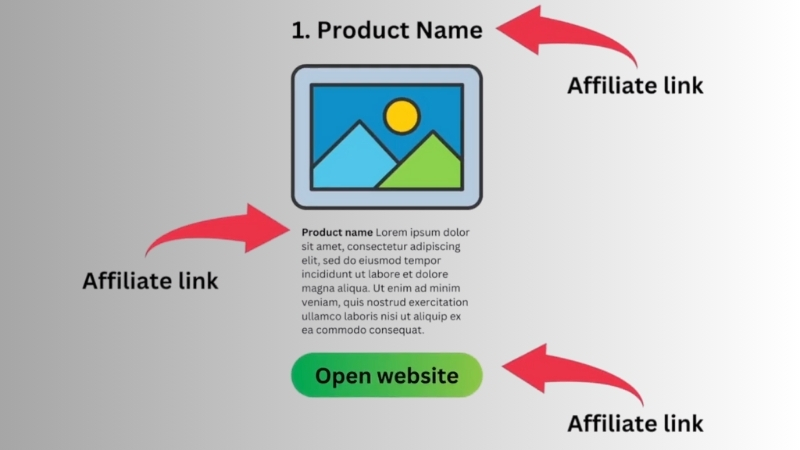
The most common mistake blogs still make is using raw affiliate URLs directly in content. This creates multiple problems: broken tracking if redirects fail, poor link management, and difficulty auditing performance.
By 2025, the standard setup will use internal link cloaking with clean URLs that redirect through the blog’s own domain. This does not hide affiliate intent but stabilizes tracking and simplifies analytics.
A typical structure looks like this:
exampleblog.com/go/product-name/
This internal URL then performs a server-side redirect to the affiliate destination. When implemented correctly, this improves attribution because browsers treat the initial click as a first-party interaction.
The table below compares direct linking versus internal redirect setups.
Link Method
Tracking Stability
Ease of Management
Risk of Attribution Loss
Direct affiliate URL
Low
Low
High
JavaScript redirect
Medium
Medium
Medium
SServer-sideredirect
High
High
Low
Server-side redirects using 301 or 302 status codes remain the most reliable approach when paired with modern affiliate networks.
Tracking Beyond the Affiliate Dashboard
Affiliate dashboards only show part of the picture. In 2025, serious blogs combine affiliate data with first-party analytics to understand intent and drop-off points.
View this post on Instagram
Google Analytics 4, despite its limitations, remains widely used. However, GA4 does not track outbound affiliate clicks by default. Manual event tracking is required to understand which links generate clicks but no conversions.
Most blogs now track at least three layers of data:
Data Layer
What It Shows
Why It Matters
Affiliate dashboard
Confirmed sales
Revenue attribution
Analytics click events
Link engagement
Content intent strength
Page-level scroll depth
User behavior
Content alignment
When a page shows high affiliate link clicks but zero conversions, the issue is rarely traffic. It is usually a price mismatch, weak commercial alignment, or broken tracking.
Understanding Cookie Windows and Real Buyer Behavior
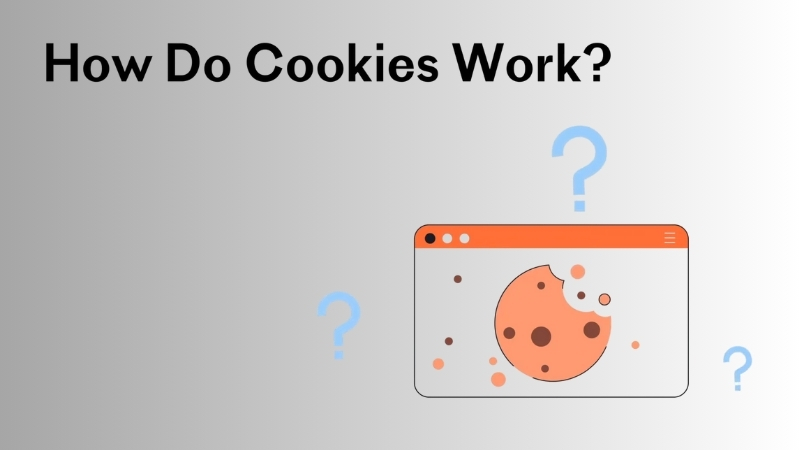
Affiliate cookie windows are often misunderstood. A 330-day cookie does not mean most buyers convert after 30 days. Data from Awin and Impact shows that over 70 percent of affiliate conversions occur within the first 48 hours after the click.
The following table reflects the average time to conversion across common blog niches.
Blog Niche
Median Time to Conversion
Consumer electronics
6–24 hours
Software and SaaS
1–7 days
Home and garden
12–48 hours
Health products
24–72 hours
B2B tools
7–30 days
This data explains why informational blog posts rarely convert unless they include a clear commercial decision point. Readers do not bookmark affiliate content and return weeks later.
They buy when the content resolves a decision.
Content Types That Generate First Sales
First, affiliate sales rarely come from homepage traffic or generic blog posts. They come from content where the reader is already comparing or validating a purchase.
In 2025, high-converting blog content consistently falls into three categories:
Content Type
Buyer Intent Level
Conversion Likelihood
Comparison articles
High
Very high
Use case problem solving
Medium to high
High
Set up or implementation guides
Medium
Medium
A “best tools” article that includes pricing context, limitations, and alternatives converts better than a generic review. Readers in 2025 are skeptical and expect downsides to be acknowledged.
Compliance and Disclosure Without Killing Conversions
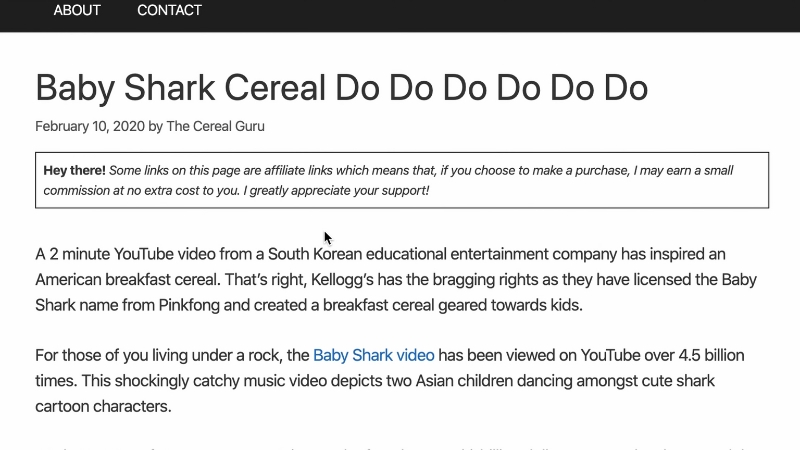
Affiliate disclosure is legally required in most jurisdictions. In the US, FTC enforcement actions increased between 2022 and 2024, particularly against blogs that hid disclosures below the fold.
However, disclosure placement does not meaningfully reduce conversions when written plainly and placed near the first affiliate link.
Blogs that frame disclosures as transparency rather than legal language see no measurable drop in click-through rate. Overly formal disclaimers, however, reduce trust.
Timeline to First Affiliate Sale
Based on aggregated data from independent blogs launched between 2022 and 2024, the average timeline to first affiliate sale looks like this:
Stage
Typical Timeframe
First indexed content
2–6 weeks
First affiliate click
4–8 weeks
First confirmed sale
6–12 weeks
Blogs with existing traffic often see faster results, but even new sites can generate sales before ranking well if they target low competition transactional queries.
Why Most Blogs Fail Before the First Sale
Failure rarely comes from a lack of traffic. It comes from misaligned intent, broken tracking, or unrealistic expectations.
Common failure points include:
Failure Cause
Impact
Informational only content
No buyer intent
Direct affiliate links
Tracking loss
No click tracking
Blind optimization
Over-reliance on one network
Revenue instability
Affiliate marketing in 2025 rewards precision rather than scale. Blogs that treat it as infrastructure rather than monetization glue tend to survive long term.
Final Perspective
@neilpatelAffiliate marketing♬ original sound – Neil Patel
Affiliate marketing for blog websites in 2025 is a technical and editorial system, not a shortcut to passive income.
Reliable links, accurate tracking, and content aligned with real buyer behavior are what produce the first sales.
When those foundations are correct, growth becomes a matter of refinement rather than guesswork.