Why Blogging Websites Fail Core Web Vitals and How to Solve Each Metric

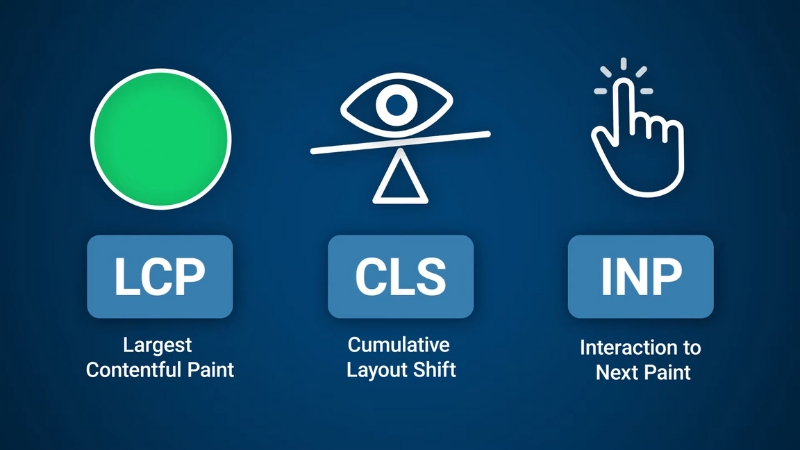
Core Web Vitals metrics LCP, CLS, and INP shown with simple icons

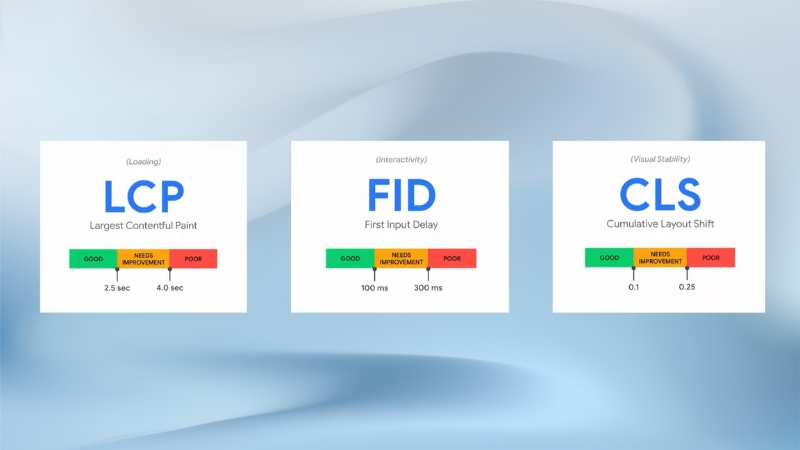
Blogging websites fail Core Web Vitals primarily because they rely on heavy themes, unoptimized images, excessive third-party scripts, and ad or analytics stacks that delay rendering and destabilize layouts. The result is poor Largest Contentful Paint, high Interaction to Next Paint, and unstable Cumulative Layout Shift, even on sites with strong content. These failures are … Read more

Migrate a Blog Website to WordPress Without Losing Rankings

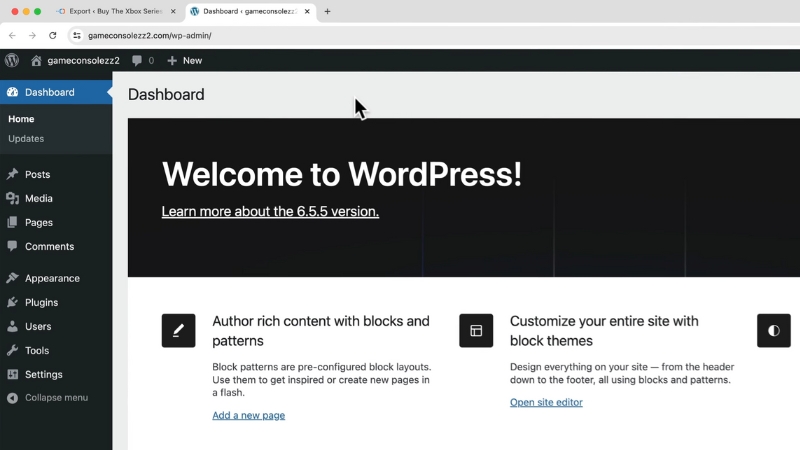
WordPress dashboard view after migrate a blog website to WordPress

Yes, it is possible to migrate a blog website to WordPress without losing search rankings, organic traffic, or indexed pages, but only if the migration is handled as a controlled SEO and technical process rather than a simple platform switch. In real-world migrations, ranking losses almost always come from broken URLs, incorrect redirects, changed content … Read more

Blog Websites vs WordPress Sites in 2025 – What Ranks Better and Why

In 2025, WordPress sites rank better than generic blog websites in the vast majority of competitive search results, not because WordPress is inherently “SEO magic,” but because its technical flexibility, performance control, and ecosystem make it easier to meet Google’s current ranking requirements at scale. Blog websites built on closed or simplified platforms can still … Read more

Best Sidebar and Widget Setup for Blog Websites That Keeps Speed High

Blog article page show a clean sidebar and widget setup with search, recent posts, and categories

The best sidebar and widget setup for a fast blog is minimal, conditional, and data-driven. High-performing blogs limit sidebars to essential elements, load widgets only where they add measurable value, avoid third-party scripts unless necessary, and prioritize Core Web Vitals over visual density. In practice, this means fewer widgets, context-aware placement, server-side rendering where possible, … Read more

Add an Automatic Table of Contents for Blog Websites for Better UX

A blog article shows an automatic table of contents placed below the header to improve navigation and user experience

Adding an automatic table of contents to a blog website improves user experience in a direct, measurable way by helping readers understand the structure, jump to relevant sections, and navigate long-form content without friction. For blogs that publish detailed guides, research-driven articles, or tutorials exceeding 1,500 words, an automatic table of contents reduces scroll fatigue, … Read more

E-E-A-T for Blog Websites in 2025 – Practical Steps to Build Trust

Illustration showin E-E-A-T for blog websites through authorship, content quality, and trust signals evaluated by Google

In 2025, E-E-A-T is no longer an abstract SEO concept. Google evaluates blogs based on visible proof of real experience, demonstrable expertise, clear authorship, transparent sourcing, and consistent trust signals across the entire site. Blogs that cannot prove who is writing, why they are qualified, and how their information is validated are systematically de-prioritized, regardless … Read more

Preventing Traffic Drops on Blog Websites After Template Changes

Website template preview open on a laptop before a blog redesign goes live

Traffic drops after a blog template change are not random or unavoidable. They usually happen because search engines re-evaluate your site’s structure, internal signals, and user behavior data the moment a new template alters HTML layout, internal links, load performance, or content visibility. Preventing those drops requires treating a template change as a technical SEO … Read more

Build a Profitable Niche Blog Website From Zero in 2025

Person calculating costs and planning content strategy for a profitable niche blog website on a work desk

Yes, it is still possible to build a profitable niche blog from zero in 2025, but only if it is done with a clear business structure, realistic expectations, and an understanding of how search engines, monetization, and user behavior actually work today. A niche blog is no longer a “write posts and wait” project. In … Read more

13 Best AI Tools for Blogging Websites in 2025 for Content and SEO

Blogger uses AI tools on a laptop to analyze content performance and SEO data

The best AI tools for blogging in 2025 are not just text generators; they are integrated platforms that help blogs identify topical opportunities, structure content according to real search engine demand, generate high-quality drafts, optimize for ranking factors, manage internal linking, track performance over time, and adapt existing content to changing search trends. In practical … Read more