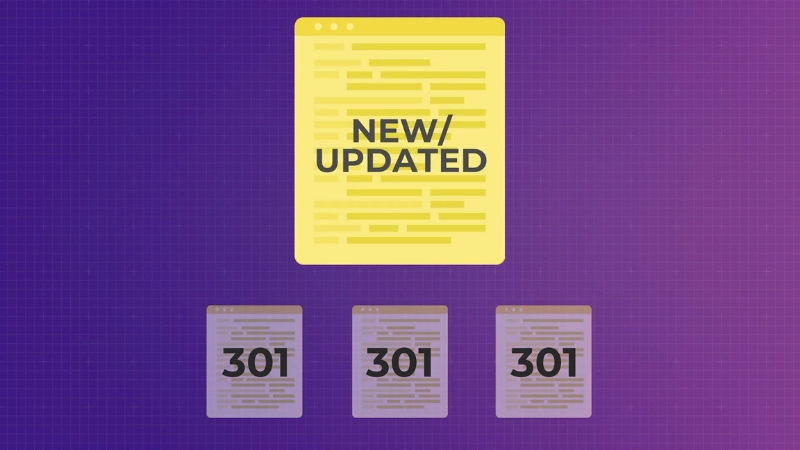
The most direct and concrete truth is this: you cannot grow a blog in 2025 without updating your old content. Google’s modern ranking systems reward freshness, accuracy, depth, and topical relevance more aggressively than in previous years.
If your older blog posts were written in 2019, 2020, or even early 2023, they are no longer aligned with current search intent, keyword behavior, content depth, user expectations, or Google’s E-E-A-T standards. This means they gradually lose rankings even when they once performed extremely well.
Updating old posts is now one of the highest ROI SEO actions available. Instead of relying only on new articles to drive momentum, modern blogs grow fastest when they re-optimize, restructure, and refresh existing content to match today’s search landscape.
1. Why Old Blog Posts Lose Traffic
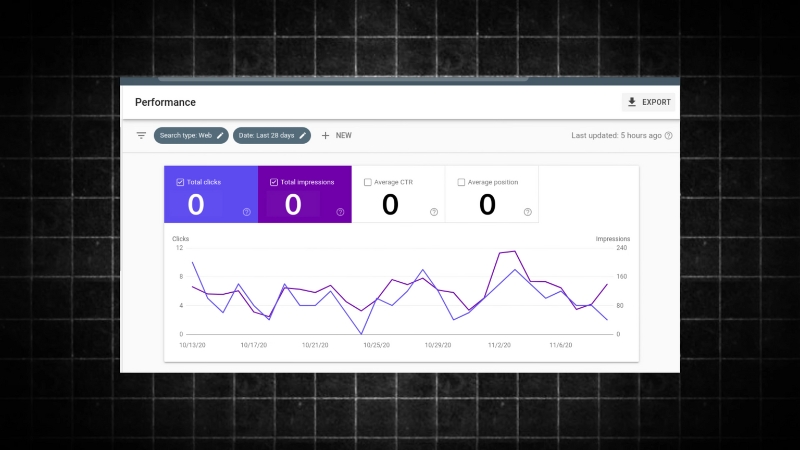
Old content loses visibility because Google no longer rewards simply being indexed. Today’s algorithm evaluates depth, authority, factual precision, speed, user behavior, and topical coverage.
Older posts typically fall behind because the data becomes outdated, newer competitors write deeper and more structured versions, and user expectations shift toward more comprehensive solutions.
Search intent evolves as well. Topics that once demanded short posts now require broader guides. Short paragraphs that worked in 2020 no longer satisfy the reader.
Visual expectations increased, mobile design changed, and Core Web Vitals made speed an essential ranking factor. Any old blog post that does not meet modern expectations begins to slide downward, even if the keyword stays popular.
A drop in traffic is rarely because a post is “bad.” It simply stopped aligning with the new rules.
2. The Foundation of a 2025 Content Update: Search Intent Alignment
Every update begins with a fresh evaluation of search intent. Users in 2025 look for more complete answers, cleaner formatting, and more authority-backed details.
Before editing anything, you must understand what people expect to see on the topic today, not two or three years ago.
Search intent typically falls into one of four categories – informational, commercial, navigational, or transactional – but within each category, the language, data, and content depth have evolved.
A once informational topic might now require deeper subtopics, new terminology, or user experience elements such as tables, comparison sections, or step-by-step explanations.
3. Updating Content Depth: The Most Effective Traffic Recovery Method
Modern SEO rewards thoroughness. A strong update means expanding thin sections, adding more examples, refreshing statistics, and restructuring complex ideas into clearer subtopics.
Many outdated articles are thin or overly simplistic because they were written during a time when shorter posts could still rank.
An effective 2025 update transforms the content into something comprehensive – not bloated. Long paragraphs should be meaningful, supported by updated facts, modern references, and practical guidance.
Adding depth also includes clarifying concepts that used to be vague.
For example, if your older post simply describes a process, the 2025 version should explain why it matters, what data supports it, how the user applies it, and how it compares with alternatives. Readers expect more thorough guidance now, and Google recognizes content that delivers this depth.
4. Improve Structure and Formatting for Modern Readers
Readers in 2025 consume information quickly, mostly on mobile, and expect clean, logical headings. Updating old posts means reorganizing messy structures, improving subheadings, adding internal content dividers, and making the flow more intuitive.
Search engines favor pages whose structure mirrors the natural journey a reader takes – starting with clarity, continuing with context, then offering depth and examples. When you improve navigation inside an article, it reduces bounce rate and strengthens dwell time signals, which in turn boost rankings.
A structured article also helps crawlers interpret topical sections more efficiently, improving indexing clarity.
5. Refreshing Data, Statistics, and External Sources
View this post on Instagram
Old data is one of the strongest negative signals. Posts from 2020 or 2021 often contain outdated numbers, old references, removed studies, or obsolete examples. This undermines credibility, which is vital in Google’s E-E-A-T framework.
Updating data requires checking authoritative sources, replacing older statistics with current ones, verifying links, and adding stronger evidence where needed. This tells Google the content is actively maintained and trustworthy.
Content Element
What Needs Updating
Why It Matters
Statistics
Replace outdated numbers
Maintains E-E-A-T relevance
External Sources
Remove dead or old links
Improves trust signals
Examples
Add modern, relatable ones
Matches user expectations
Technology/Technique References
Update obsolete explanations
Prevents “stale content” filtering
Case Studies
Replace or add new studies
Strengthens depth and authority
Keeping data fresh signals to Google that your site is alive – not abandoned.
6. Improve Internal Linking to Reinforce Authority

Outdated blog posts usually lack strong internal linking because newer content did not exist when they were published. This leaves them isolated and lowers their perceived value.
Updating older content means strategically linking to your most authoritative, recent, and relevant articles. This increases the page’s topical weight, helps Google re-evaluate it, and pushes new content into the crawl path.
Strong internal linking also redistributes authority across the site and reduces reliance on external backlinks. In many cases, internal linking alone is responsible for restoring ranking positions without any additional promotion.
7. Update Titles, Meta Descriptions, and URL Clarity
Titles that once ranked might now be too short, too vague, or not aligned with modern search patterns. A refreshed title must include the key phrase naturally, but present a modern angle that reflects 2025 expectations.
Meta descriptions also need rewriting. They should be concise, compelling, and reflective of the updated content. Google rewrites poor descriptions, so crafting a precise, human-centered summary is essential.
URLs should not be changed unless necessary; however, internal links must all point to the correct version to avoid indexing conflicts.
8. Modernizing Visuals, Images, and Alt Text
@thewizardmarketing make sure you are adding alt text to images #seo #seooptimization #marketing #webdev ♬ original sound – Jake | The Marketing Wizard
Visuals in older blog posts often suffer from low resolution, slow loading times, outdated styles, or missing alt text. Search engines now evaluate image context to understand page topics.
Modernizing visuals includes using compressed images, adding diagrams or tables, and writing meaningful alt text that reinforces your topic.
Interactive visuals – charts, flow diagrams, before/after comparisons – make your post more engaging, which increases time on page. Their presence also signals to Google that your content is updated and comprehensive.
9. Speed, Core Web Vitals, and Technical Refresh
Old blog posts often load slowly because they include outdated scripts, large images, unnecessary plugins, and legacy formatting. In 2025, Google evaluates INP (Interaction to Next Paint) and CLS more harshly, so a technical audit is necessary.
Improving speed includes compressing images, removing unused scripts, improving hosting performance, and ensuring modern mobile responsiveness. Google deprioritizes blog posts that load slowly, even if the content is strong.
Technical Elements That Influence Updated Posts
Technical Factor
Impact on Traffic Recovery
How Updating Helps
INP Responsiveness
Stronger UX signals
Removing heavy scripts
CLS Stability
Prevents layout shifts
Setting fixed image dimensions
LCP Performance
Faster primary load
Using optimized formats
Mobile Readability
Better retention
Cleaner layout, larger fonts
Theme Efficiency
Better crawling
Removing outdated page builders
When old technical debt is removed, rankings often return quickly.
10. Expanding Topical Coverage and Matching Competitive Depth
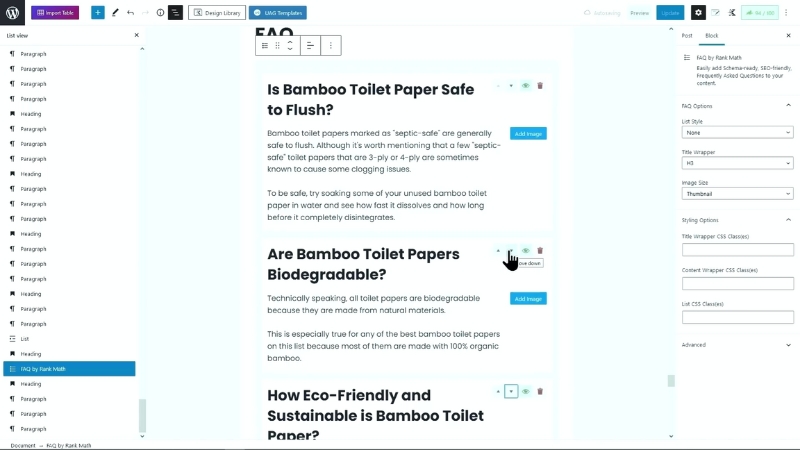
Content that ranked in 2020 might now be considered shallow compared to competing pages. Updating the article means evaluating what top-ranking competitors include and expanding your coverage accordingly.
This may involve adding comparison sections, FAQs, tables, updated workflows, or answering related questions that users expect.
This is not copying – it is matching user expectations for topical completeness.
If your competitors have tripled the depth of their content, the only way to recover traffic is to raise your own quality and coverage to the new standard.
11. Enhancing E-E-A-T Signals for Old Posts
Expertise, experience, author transparency, and accuracy matter more than ever. Older posts often lack author bios, updated citations, or personal insight.
Updating includes adding author expertise, referencing trustworthy sites, and strengthening the narrative with your own experience where appropriate.
Google is increasingly filtering pages that appear generic or anonymous. Strengthening E-E-A-T helps older posts regain trust.
12. When Should You Update, Merge, or Delete an Old Post?
Not every post deserves a full rewrite. Some need merging; others must be removed entirely.
Update vs Merge vs Delete
Action
When You Should Do It
Reason
Update
Topic still relevant; post has potential
Easiest traffic recovery
Merge
Several posts cover the same topic
Consolidates ranking power
Delete
Low-quality topic, no search demand
Removes site bloat
A learner, a more strategic site structure improves crawlability and authority distribution.
Conclusion
Refreshing old blog posts remains one of the most powerful ways to recover lost traffic in 2025. Search engines reward sites that demonstrate ongoing maintenance, provide modern relevance, and deliver deeper, more structured information.
Every updated post sends a signal that your content is active, trustworthy, and valuable.
The process is straightforward: expand depth, improve structure, refresh data, add visuals, optimize metadata, strengthen internal linking, and modernize technical performance. When you align your older posts with modern standards, rankings typically return – and often surpass previous highs.